How to Scale a Baking Recipe Up or Down (Without Ruining It)
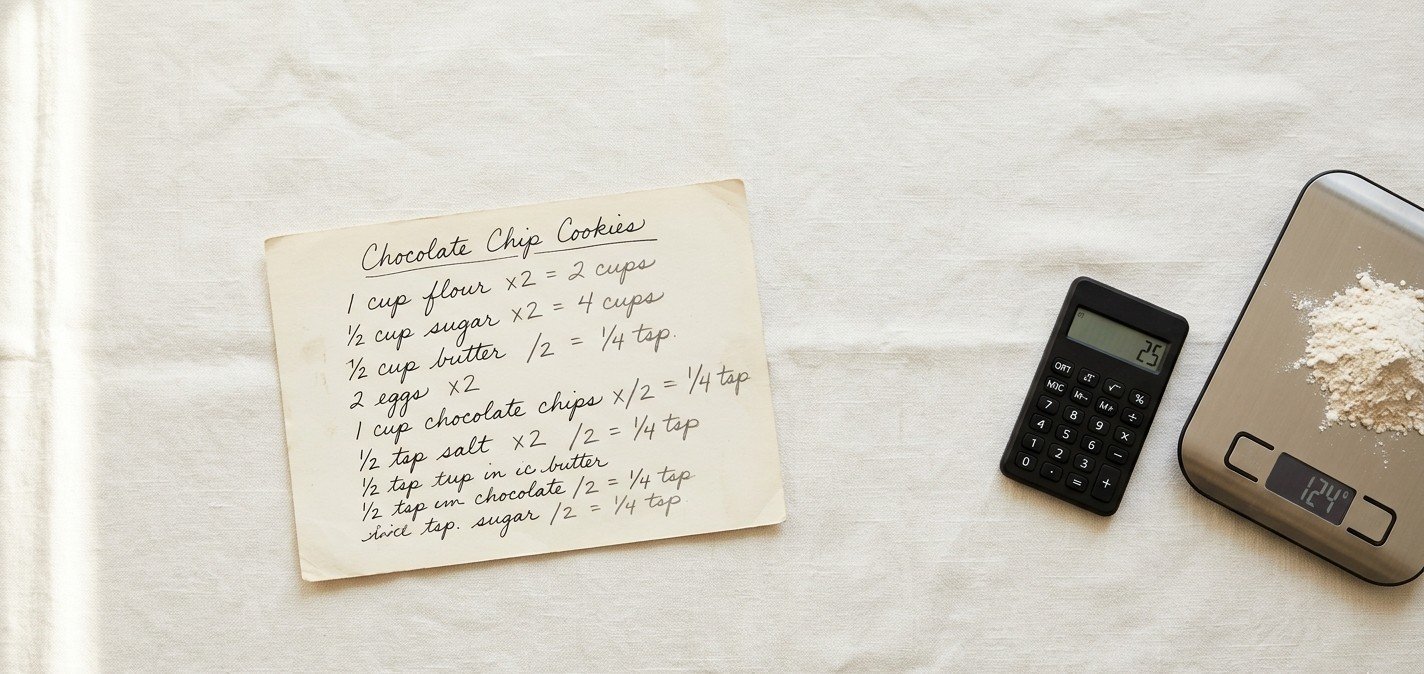
Scaling a baking recipe sounds simple — just double everything, or halve everything. For most ingredients, that’s exactly right. But a handful of ingredients don’t scale linearly, and getting those wrong is the most common reason a scaled recipe turns out noticeably different from the original. The Simple Rule: Most Ingredients Scale Directly Flour, sugar, … Read more
UK vs US vs Australian Measuring Cups and Spoons — Why Your Recipe Might Be Wrong

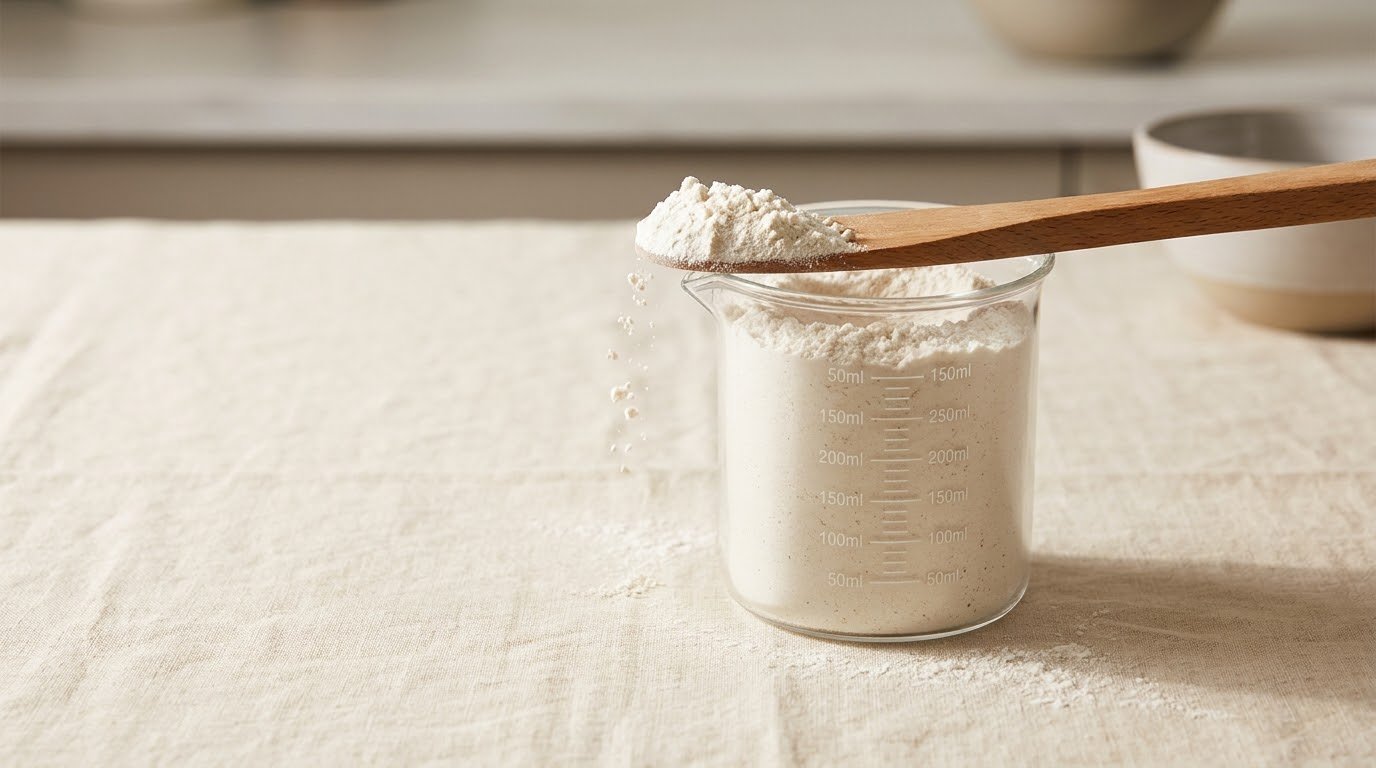
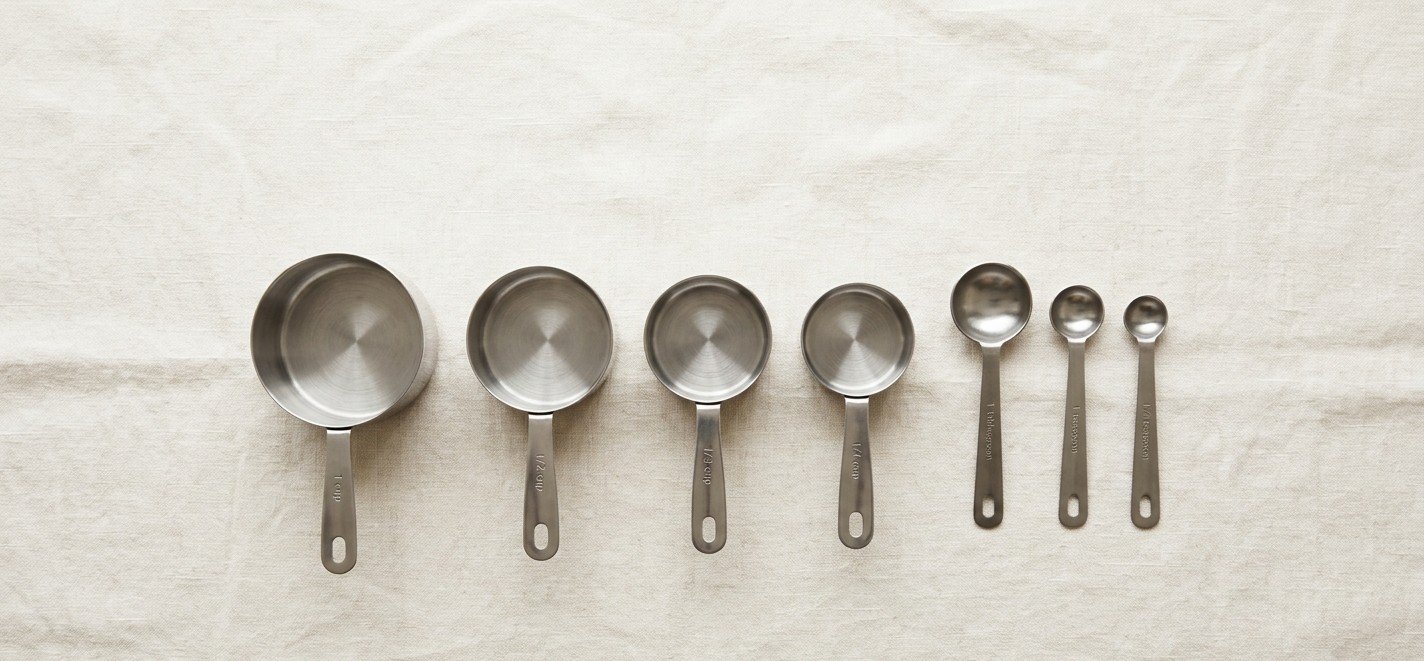
If you’ve followed a recipe from a different country and gotten a result that seemed slightly off — too dense, too sweet, slightly flat — there’s a good chance your measuring cups were the cause. Cup and spoon measurements are not universal; the US, UK, Australia, and Canada each have their own standards. The Standard … Read more

How to Measure Butter: Sticks, Cups, Tablespoons and Grams

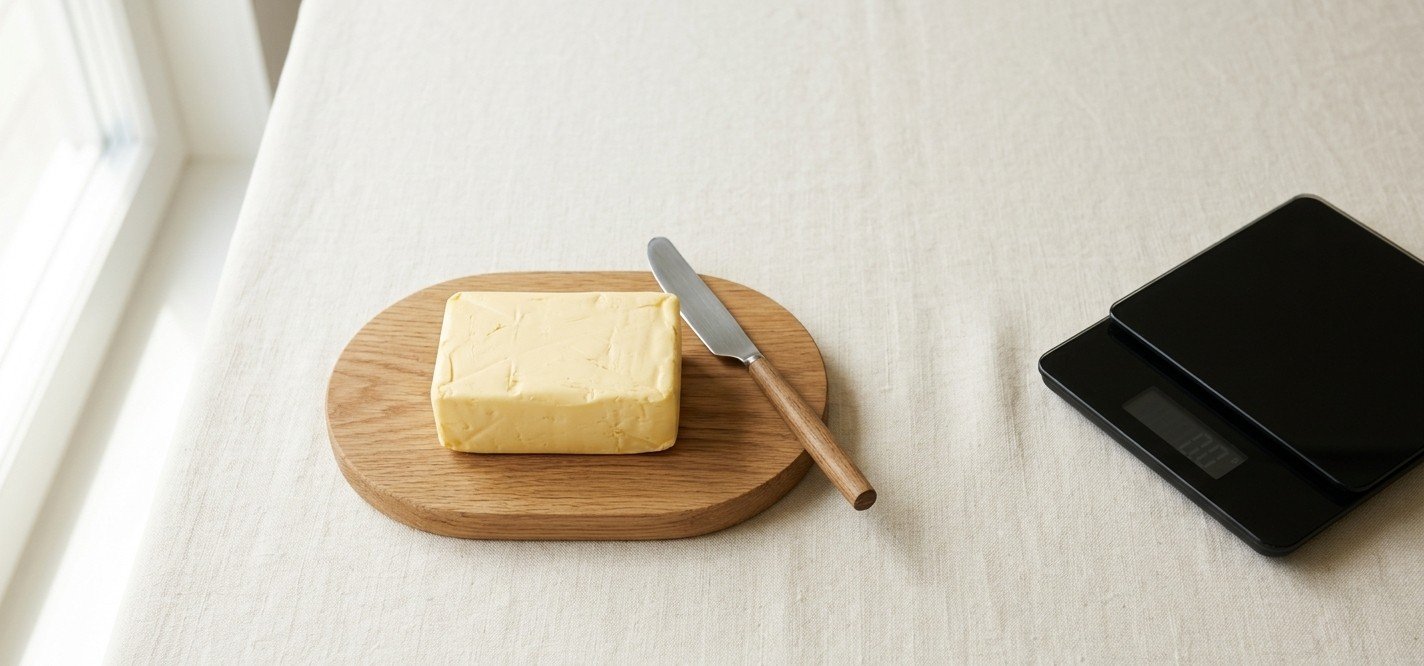
Butter is one of the most common sources of recipe confusion across countries, because each baking culture measures it differently. US recipes use sticks or cups; UK and Australian recipes typically use grams or a block size; older recipes sometimes use tablespoons. This guide converts all of these into each other. US Butter Sticks: What … Read more

Oven Temperature Conversion Guide: Celsius, Fahrenheit and Gas Mark Explained

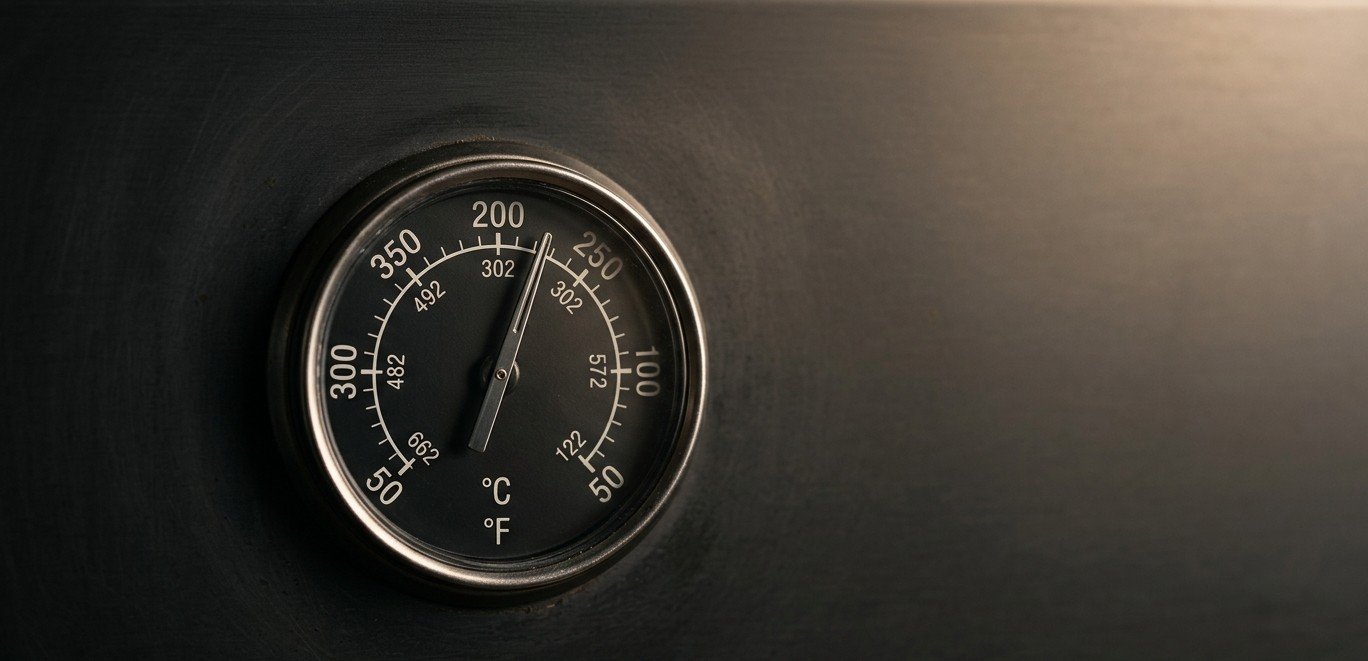
Oven temperature is one of the most common points of confusion when following a recipe from a different country. UK and Australian recipes typically use Celsius; US recipes use Fahrenheit; older British and Irish recipes often use Gas Mark. This guide gives a complete conversion chart, explains the fan-oven adjustment, and links to a free … Read more

Teaspoons to Grams: A Complete Conversion Guide for Baking

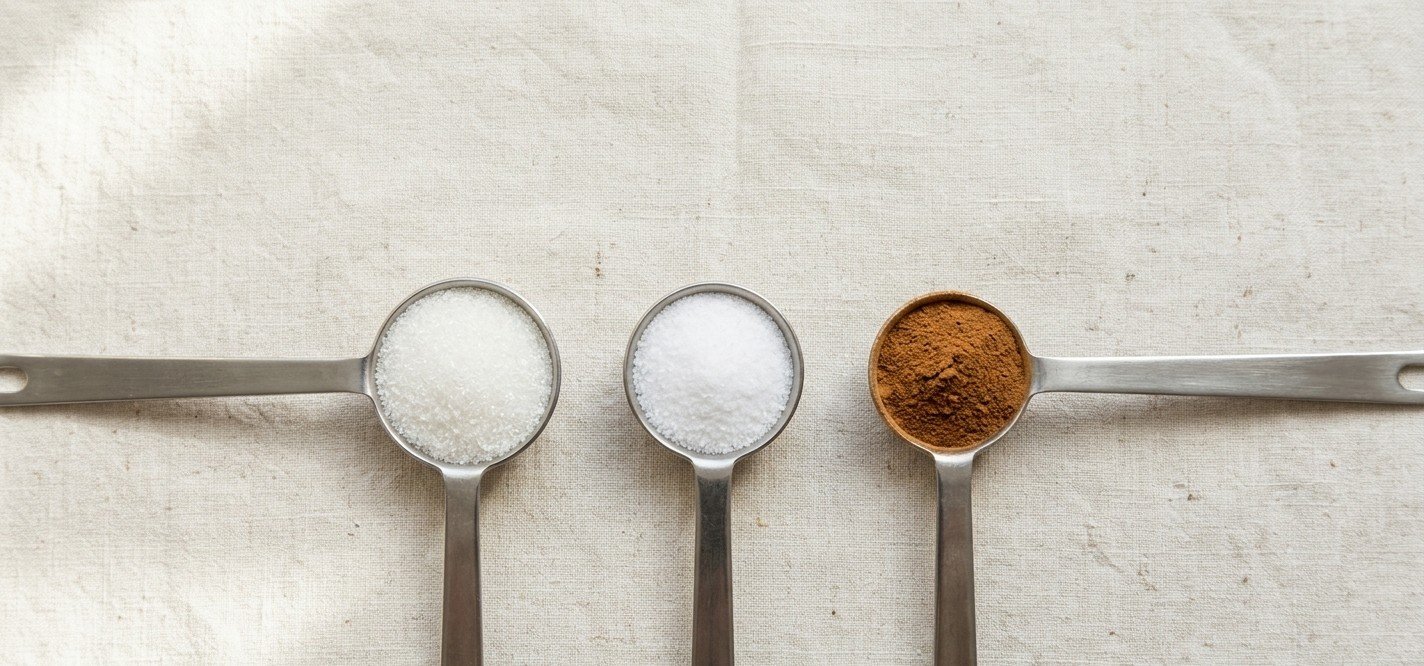
A teaspoon seems like a simple measurement — but how many grams it represents depends entirely on what’s in it. A teaspoon of fine salt weighs about 6 grams. A teaspoon of baking powder weighs about 4 grams. A teaspoon of ground cinnamon is closer to 2.5 grams. Same volume, three different weights. This guide … Read more

How to Convert an American Recipe for UK, Australian, and Canadian Kitchens

The Two Measurement Systems American recipes use cups, tablespoons, ounces, and Fahrenheit. British, Australian, and Canadian recipes use grams, millilitres, and Celsius (with Gas Mark still appearing in older British recipes). Converting between them is entirely systematic once you know the rules for each category. Converting Flour and Sugar Plain flour (all-purpose flour) weighs 120g … Read more

Why Weighing Ingredients Beats Measuring by Volume

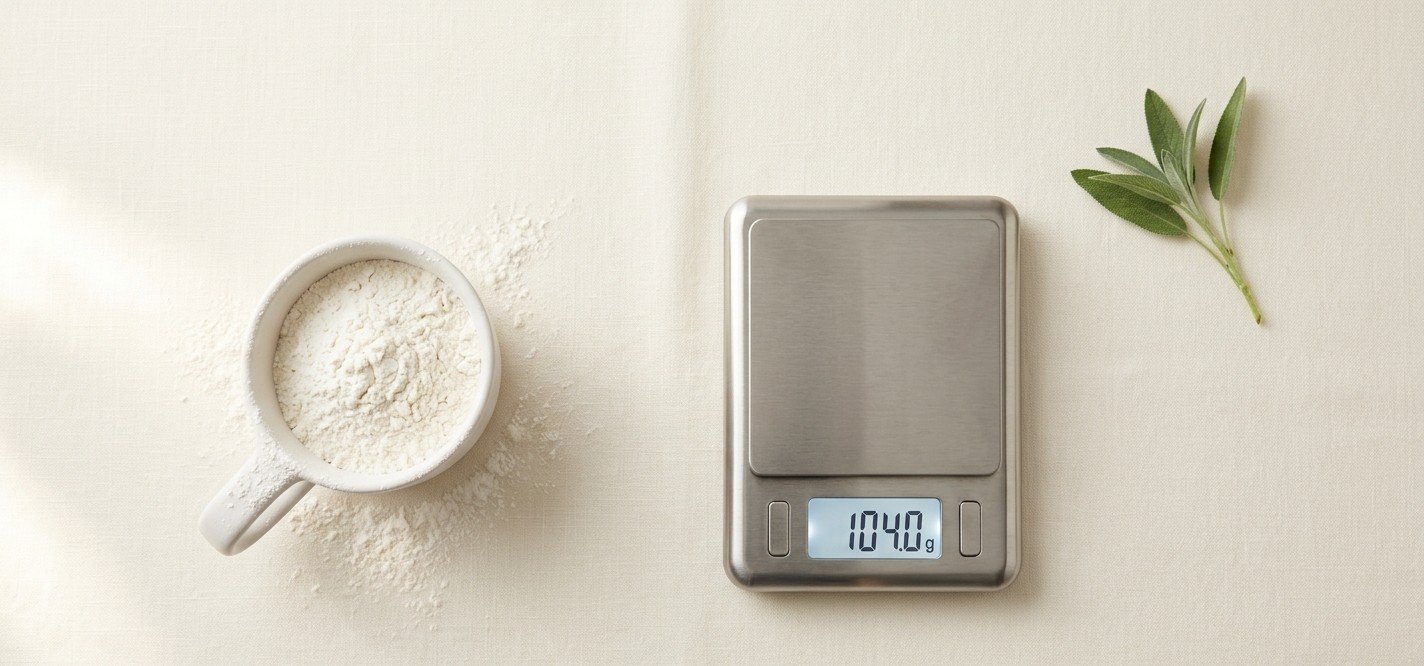
The Core Problem with Volume Measurement A measuring cup measures space, not substance. When a recipe calls for one cup of flour, it specifies volume, not mass — and mass depends entirely on how densely the ingredient is packed into that space. Weight, by contrast, measures mass directly: 100 grams of flour is 100 grams … Read more